

Upper St. Clair nurse inducted into international research hall of fame
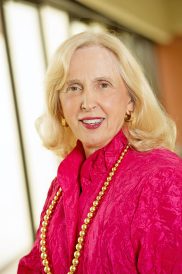
A tenured professor and researcher from Upper St. Clair recently was inducted into the hall of fame for one of the largest nursing honorary organizations in the world.
Dr. Kathryn Puskar, associate dean for undergraduate nursing education at the University of Pittsburgh School of Nursing, has been inducted into the Sigma Theta Tau International Nurse Researcher Hall of Fame, one of 20 for this year. The induction ceremony was held July 21 in Melbourne, Australia.
“It’s really humbling. I feel very honored to be part of that cohort,” Puskar said.
The Nurse Researcher Hall of Fame recognizes those whose work has influenced the nursing profession, as well as receiving national and international attention.
Puskar has done extensive work in the field of adolescent psychological health, helping children cope with life’s difficulties. She has received many honors and awards and published over 150 articles. Puskar has also received several federal and private foundation grants to fund her work. She has previously served as the president of the American Psychiatric Nurses Association.
Puskar is proud of her work on a recently-released application, MilTeenChat, that helps military children with a parent’s deployment by connecting them to peers in similar situations. Her behavioral intervention program, Teaching Kids to Cope, has been recognized by a leading industry organization and been used in school districts across the nation.
All of these achievements and more were considered with the hall of fame induction, Puskar said in a recent interview. Sigma Theta Tau recognizes nurses with a sustained influence on the profession, with a record of publishing works, acquiring funding, and mentoring others.
Puskar believes much of her interest in stress and coping stemmed from her early childhood.
“I really attribute much of my success to my mother, who learned to cope early in life,” Puskar said.
Her mother lost her husband early and was left to care for four children alone on a beautician’s salary.
“I was particularly interested in how the brain works,” Puskar recalls.
She knew she wanted to help other people, and originally saw herself going to medical school. Puskar was interested in the effects of a stroke or traumatic brain injury. She worked as a staff nurse on a neurological unit, which helped her interest in psychology blossom.
Puskar said that it’s exciting to be a part of and share new research, informing her students of the latest innovations and “translating it into your clinical practice.”
With her Teaching Kids to Cope program implemented in schools throughout the country, Puskar said it’s vital to teach kids these skills young. Kids today face a litany of environmental stresses. Anxiety is the top mental health diagnosis for the age group she researches, teens and young adults, with depression at number two.
“We want to teach kids how to cope with stress at an early age,” she said. “Everybody has stress. The issue is to cope with it and fare better from it.”
Puskar said she focuses on children because the work is preventative.
“You try to plant the seed early,” she said. “When kids have challenges, they have to try to develop some positive thinking about life stresses.”